
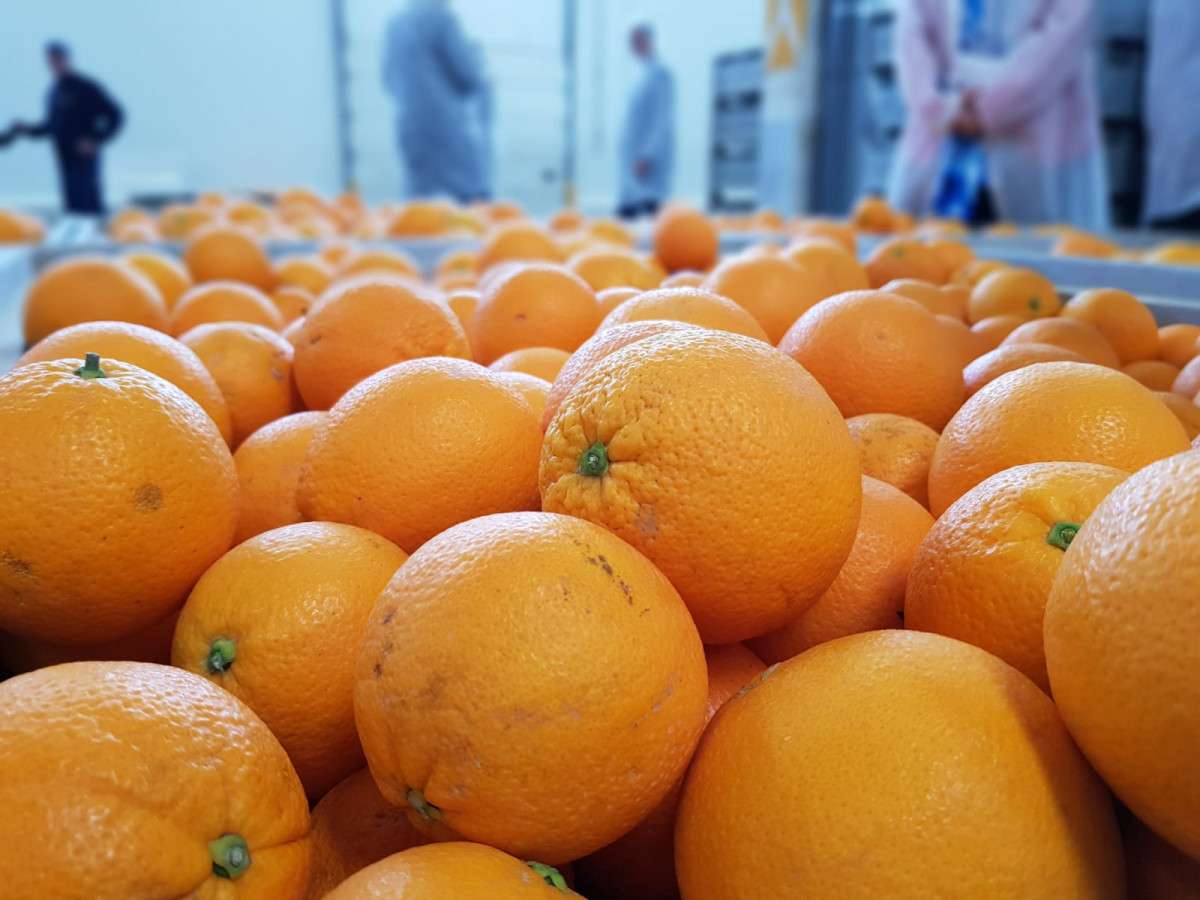
The agricultural organisation LA UNIÓ has denounced that more than 65% of the phytosanitary alerts in citrus detected this year in the European Union come from non-EU countries, with South Africa and Turkey leading the list. In total, 120 notifications have been registered, of which 109 come from imports from outside the EU, mainly due to the presence of pests such as black spot (Phyllosticta citricarpa) and false moth (Thaumatotibia leucotreta).
This fact highlights the need to reinforce border controls and apply the principle of reciprocity with the phytosanitary requirements imposed on European producers. LA UNIÓ is calling for a firmer trade policy to protect the national citrus sector, which is key in regions such as Valencia.
Furthermore, the organisation points out that these imports can have serious consequences both for European plant health and for the environment, as they facilitate the entry of pests that do not exist in our territory until now.
👉 You can read the full article on the LA UNIÓ website: La Unió denuncia que el 65,25 % de las alertas europeas de este año en cítricos importados proceden de países extracomunitarios


