
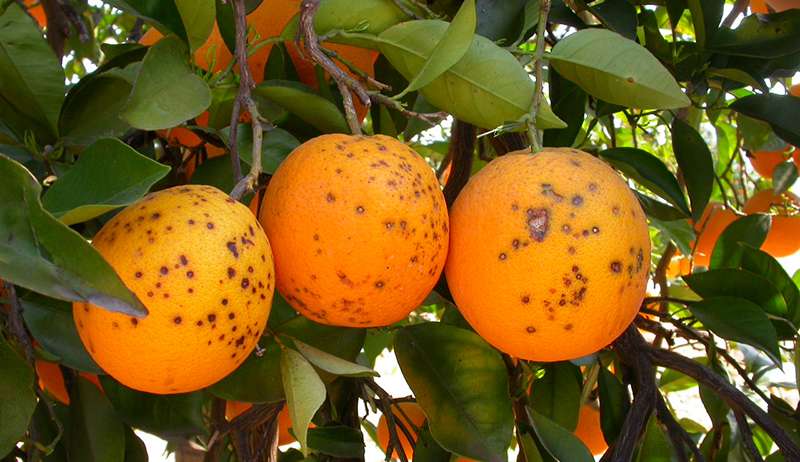
In September 2024, the EU intercepted several citrus shipments from South Africa and Zimbabwe with dangerous pests that threaten European agriculture. These include black spot (Phyllosticta citricarpa), a disease that seriously affects citrus fruit and, if it reaches Europe, could cause losses in the millions. South Africa recorded seven new cases of the pest in shipments of oranges, lemons and mandarins, bringing the total number of detections so far this year to 26. This is in addition to five contaminated shipments from Zimbabwe.
Farming organisations such as AVA-ASAJA and LA UNIÓ have demanded stricter measures from the European Union to curb these imports, pointing out that South Africa, far from controlling its pests, has denounced the European measures before the World Trade Organisation (WTO). This conflict has generated tensions, as South Africa and Zimbabwe lead in the number of pest detections, despite the cold treatment protocols established by the EU, which apparently are not working as expected.
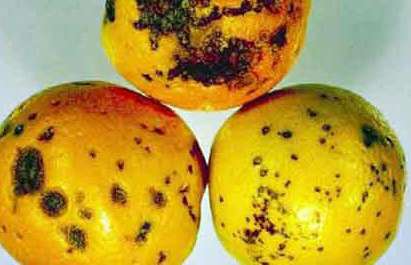
In addition to black spot, other pests such as false moth (Thaumatotibia leucotreta) and fruit flies were also detected in imports from these countries. Brazil, Egypt and Uruguay are among other exporters that continue to cause concern in the European citrus sector.
Faced with this situation, both AVA-ASAJA and LA UNIÓ are demanding greater vigilance and a tightening of regulations to protect European growers. Farmers in the Valencia Region have already reported a 40% increase in costs due to the introduction of pests into their crops, putting the viability of local citrus production at risk.
For more details, see the original articles in Agronews Comunitat Valenciana. Sudáfrica y la mancha negra and Plagas en cítricos importados.


