
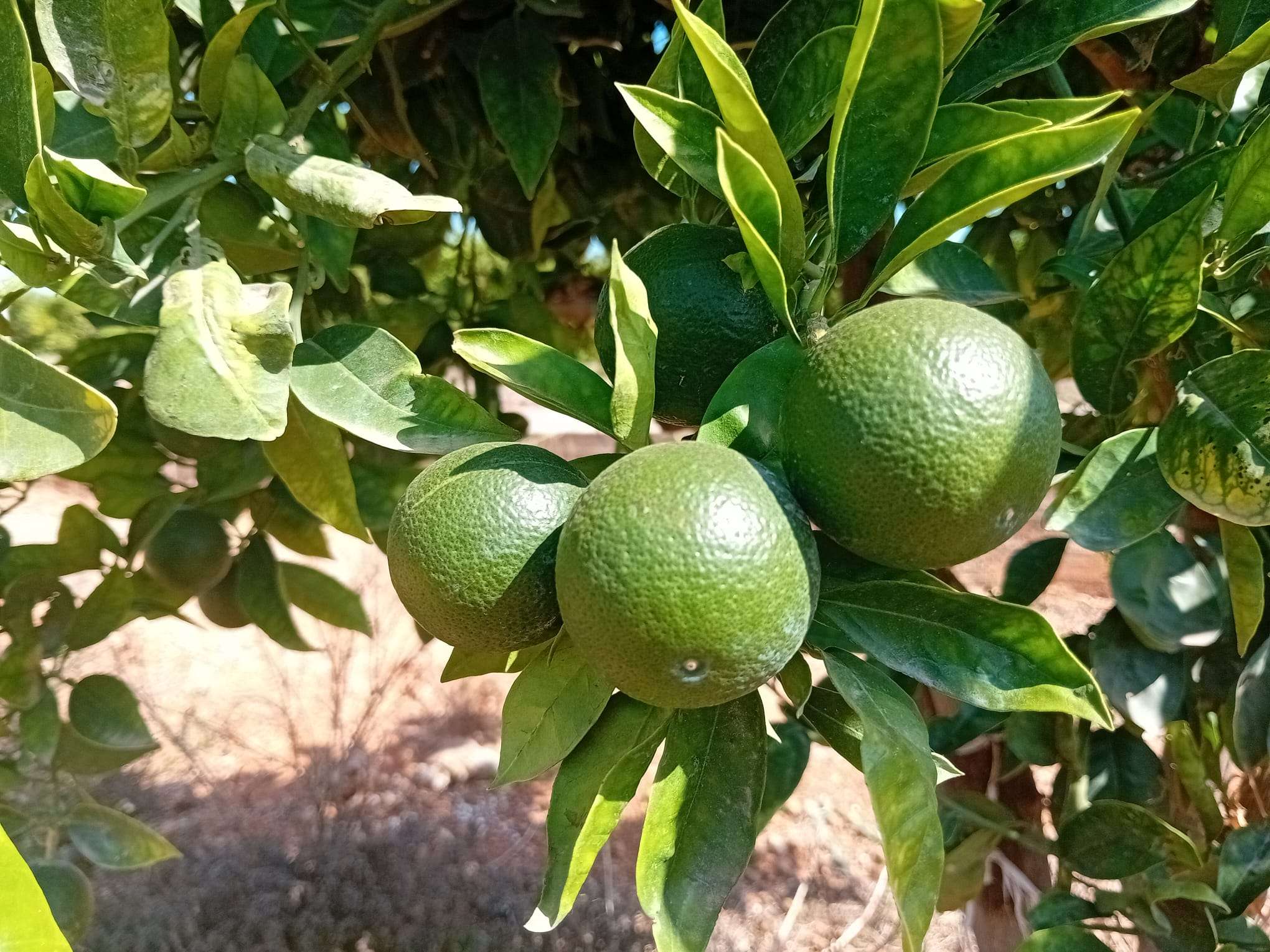
According to the latest estimates, the Valencia Regional Ministry of Agriculture is forecasting a drop in the citrus crop in the Valencia Region due to adverse weather conditions. According to initial estimates from the Regional Ministry of Agriculture, production is estimated at 2,676,344 tonnes, 7% less than the previous season and 21% lower than the average of the last ten seasons.
Excessive heat and lack of rain have been the main factors affecting the harvest. Flowering, although abundant in some varieties, has been uneven, with a notable decrease in the most popular varieties, such as Clemenules. These weather conditions have led to a significant drop in fruit, exacerbated by pests that have spread due to the high temperatures.
Mandarins and oranges: Most affected
Mandarin production has been the most affected, with a 10.8% decrease compared to the previous season, mainly in the clementine subgroup. The Clemenules variety stands out due to a 28.5% reduction, affected both by the weather and the smaller cultivation area.
As far as oranges are concerned, although a moderate fall of 2.4% is expected, some varieties, such as Valencia Late, have experienced a notable drop of 29%. Navel oranges have held up better, with a slight increase in some provinces.
Impact on lemons and grapefruit
The production of lemons has also suffered a significant drop of 13.9% compared to last season, partly due to water shortages. However, grapefruit production has shown a growth of 14.2%, which stands out as a positive aspect in an overall negative picture.
The role of meteorology and pests
High temperatures have affected not only fruit size and number, but also the development of pests such as whitefly and thrips. The lack of suitable crop protection products and increased production costs have added pressure on growers, many of whom have been forced to limit treatments to reduce costs.
Despite the adversities, the first rains at the end of August have brought some relief, helping some varieties to recover size and quality. However, the impact on this year's crop is expected to be difficult to reverse, making it one of the lowest in recent decades.
You can find more information in the original article.


