
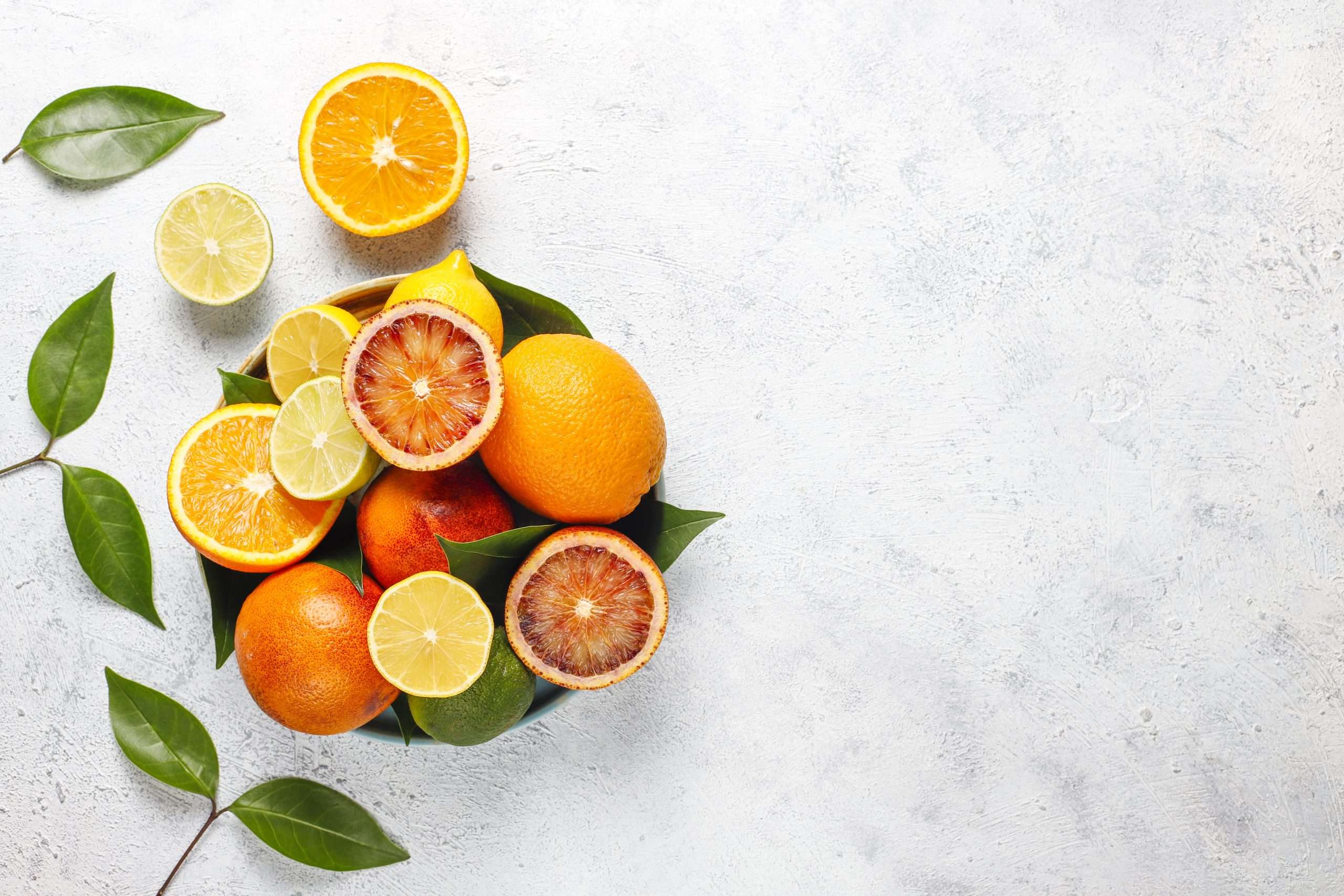
Today, on the blog of Cocalniwe are going to talk about the sweet orange tree and its classification in four main groups. The sweet orange tree is one of the most cultivated fruit trees in the world. Its origin is located between southern China and northeast India, being a natural hybrid between the zamboa and the mandarin. In ancient Persia it was called narang, de donde proviene el término naranja en castellano.
This tree has a vigorous growth, with thorns of variable size depending on the variety. Its leaves are elliptical and medium to large in size. The orange blossom, known as azahar, is white with yellow anthers, except in the Navel group, where they are pale yellow or white. The fruits are generally globular, with smooth skin and moderate adherence, with juicy pulp and seeds in smaller or larger quantities. Its juice stands out for its balance between sugars and acidity.
Uses and exploitation
Sweet oranges are appreciated both for fresh consumption and for juice production. By-products such as pulp and peel are used in the manufacture of animal feed and in the extraction of essential oils. In addition, its flowers are used in perfumery and traditional Chinese medicine. During the flowering season, the highly prized orange blossom honey is also produced.
Classification of sweet oranges
Sweet orange varieties are grouped into four main categories:
1. White Group
Includes varieties without navel, without red pigmentation and with low acidity. They are vigorous trees with small thorns and yellow anthered flowers with a large amount of pollen. Although their cultivation has decreased, they are still important for industrial juice production due to their high sugar content and low amount of limonin.
Outstanding varieties: Valencia, Pera, Salustiana.
2. Navel Group
Characterised by the presence of a rudimentary fruit in the stylar zone, similar to a ‘navel’ (navel in English). They are seedless and of excellent quality for fresh consumption, although they are not suitable for juice due to their limonin content, which generates a bitter taste.
Outstanding varieties: Navelina, Washington Navel, Lanelate.
3. Blood group
Similar to the white ones, but with red pigmentation in the rind, pulp and juice due to the presence of anthocyanins, which develop at low night temperatures. Its juice is reddish, with a characteristic aroma and flavour, much appreciated in Italy.
Outstanding varieties: Tarocco, Sanguinelli.
4. Sucreñas Group
They are distinguished from white wines by their very low acidity. Commercially, they are of little importance.
Outstanding varieties: Sucreña o Imperial.
The sweet orange tree is not only an emblematic tree in world agriculture, but also offers a wide diversity of varieties adapted to different uses and preferences.


