
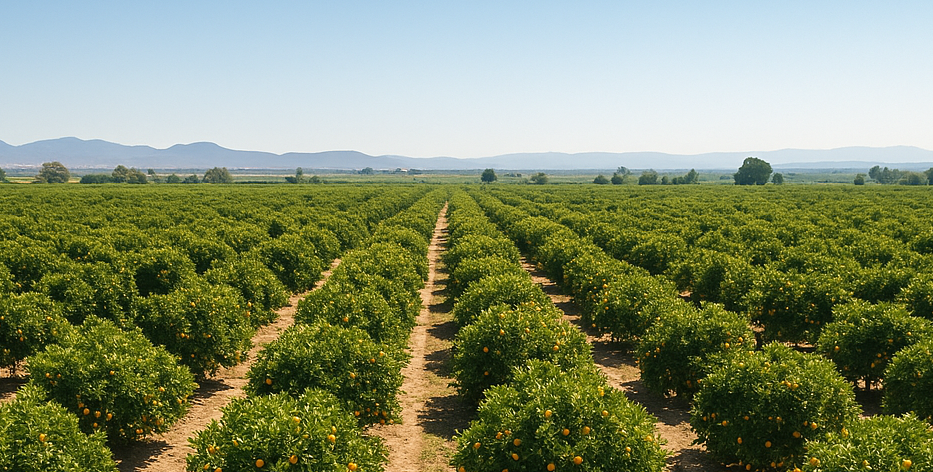
In recent years, some producers have noticed variations in the usual citrus crop cycles linked to climate change. These observations include occasional advances in flowering or harvests that occur earlier than expected in certain seasons.
Studies by the Valencian Institute of Agricultural Research (IVIA) have recorded a progressive increase in average temperatures during winter in the Valencian Community, reaching increases of up to 1.2 °C in the last 30 years. This phenomenon has been linked, among other effects, to changes in the cold hour requirements of varieties such as Navelina and Clemenules.
Flowering and other agronomic phenomena
Some technical reports and scientific publications indicate that certain species show signs of early flowering, especially after milder than usual winters. This could disrupt the synchronisation with processes such as pollination or increase vulnerability to possible late frosts.
According to AEMET, the frequency of extreme weather events, such as heavy rainfall and heat waves, has increased over the last 15 years, which can interfere with sensitive moments in the phenological cycle.
Responses and strategies observed
In various agricultural settings across the Mediterranean, practices are being adopted that seek to adapt management to current conditions. These include the use of environmental sensors, reviewing pruning dates, and choosing rootstocks that are better suited to new conditions.
The LIFE Resilience project, co-funded by the European Union, documents some of these adaptation strategies in Mediterranean woody crops, including citrus fruits. However, the applicability of these practices depends on the agronomic context of each area.


