
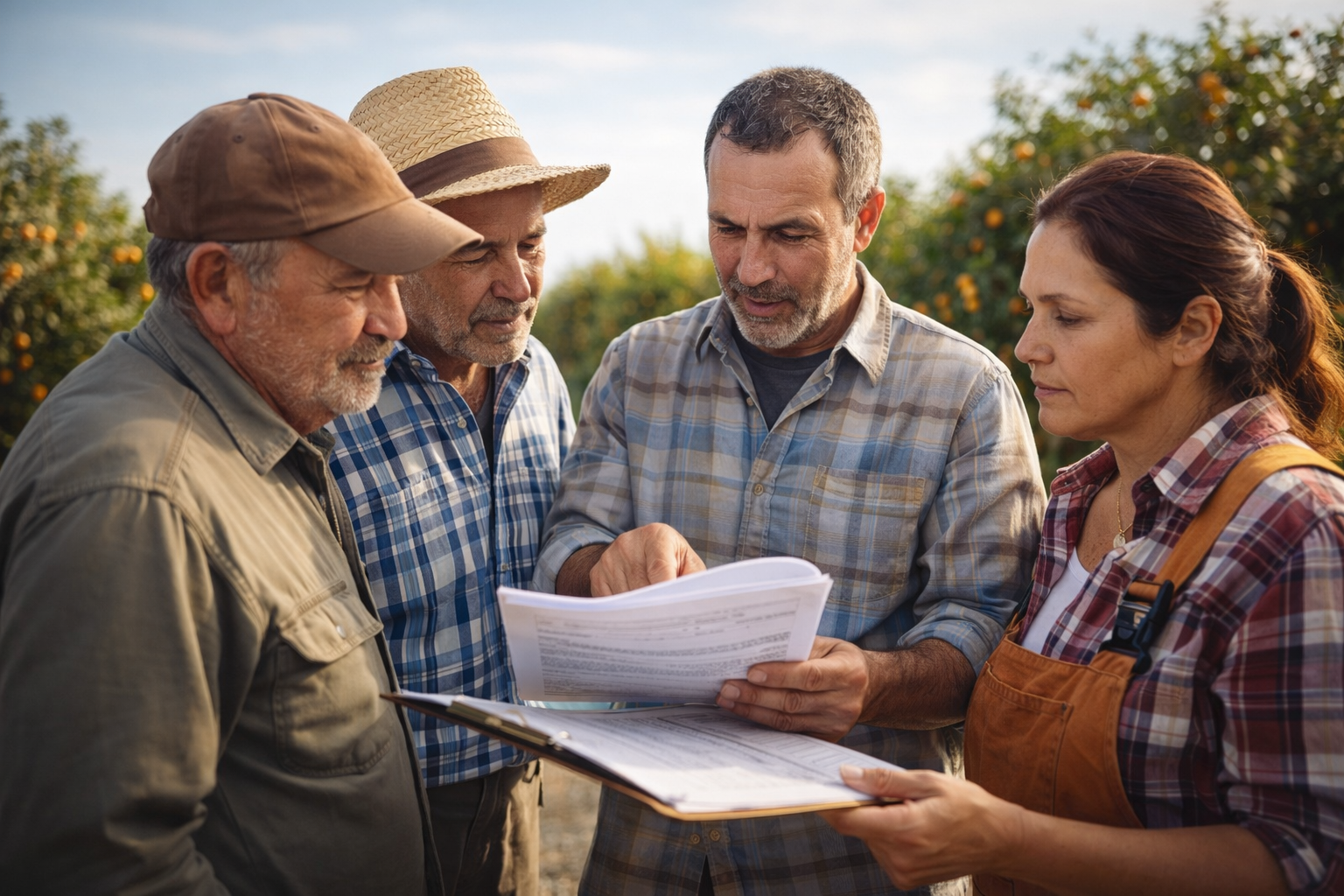
Agricultural cooperatives continue to be one of the fundamental pillars of stability and development in the agricultural sector. In a context marked by market volatility, rising costs and climate challenges, farmers joining together under a cooperative structure allows them to face challenges with greater strength and a long-term vision.
Uniting to gain stability in a changing environment
The agricultural sector faces an increasingly complex reality: unstable prices, growing regulatory requirements and unpredictable weather conditions. In this scenario, cooperatives offer a structure that provides stability, planning and adaptability. Joint marketing allows supply to be organised and better defends the value of the product in the market.
Furthermore, working collectively reduces the individual vulnerability of farmers and facilitates strategic decision-making with a broader perspective.
Technical support and professionalisation of the sector
Today's cooperatives do more than just collect and market produce. They offer technical advice, support in plant health matters and assistance in farm management. This support is essential for meeting the quality, traceability and sustainability standards demanded by the market.
The professionalisation of the sector largely depends on organised structures that enable the optimisation of resources and improved competitiveness.
Ensuring generational renewal and continuity
One of the major challenges facing the countryside is generational renewal. Cooperatives help to create a more structured and economically viable environment, enabling new generations to find a more stable framework in which to continue farming.
Beyond the economic aspect, cooperatives represent a collective project that strengthens ties with the region and guarantees the continuity of agricultural activity in our districts.


