
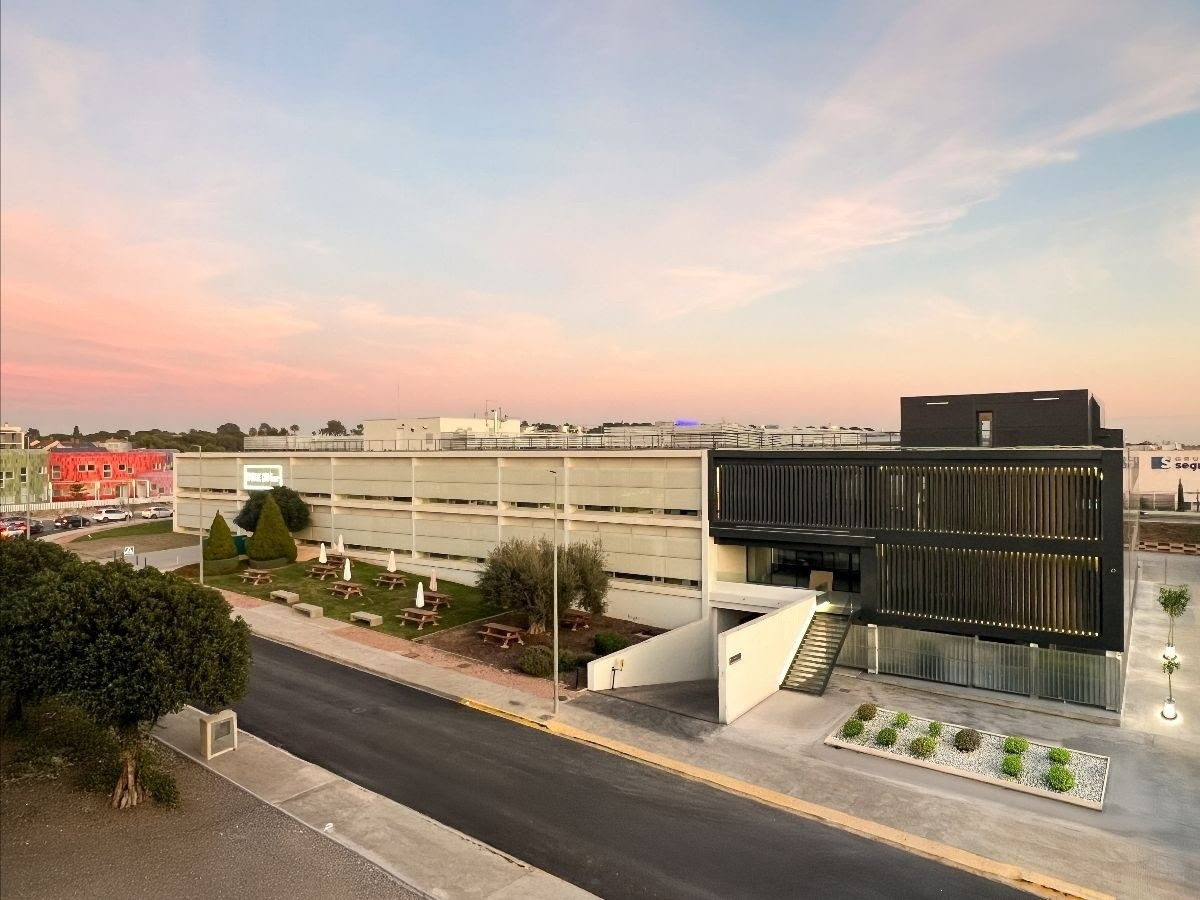
The ITENE technology centre, as part of the ESCUDO project (June 2024–2025), has developed a revolutionary solution: converting agricultural waste into microbial biostimulants and botanical extracts with biocontrol capabilities.
How does this innovative process work?
1. Isolation and cultivation of indigenous microorganisms
Beneficial strains are isolated from rice and grapevine crops for use as biocontrol agents. These strains reproduce efficiently in media made from by-products, maintaining their biostimulant and antifungal activity throughout the industrial process.
2. Extraction of nutrients through hydrolysis
Through chemical-enzymatic processes, nutrients are extracted from agro-industrial waste (husks, pomace, citrus peels), which are then used to feed both the vines and the plants, improving their growth and resistance.
Benefits of biocontrol compared to traditional agrochemicals
One of the main advantages is the reduction in the use of chemical fungicides. In 2023, 79% of fungicides are still chemical, so these natural alternatives pave the way for more sustainable agriculture. In addition, biostimulants and botanical extracts have been shown to inhibit fungal diseases such as rice blast, foot rot and excoriosis by up to 70%. Another noteworthy aspect is their versatility of application, as they can be used through irrigation, foliar spraying or directly on the soil, and are effective in seedbeds, agriculture and forestry.
Link to the original article
ITENE converts rice, vine and citrus waste into biostimulants...


