
A target set for 2028
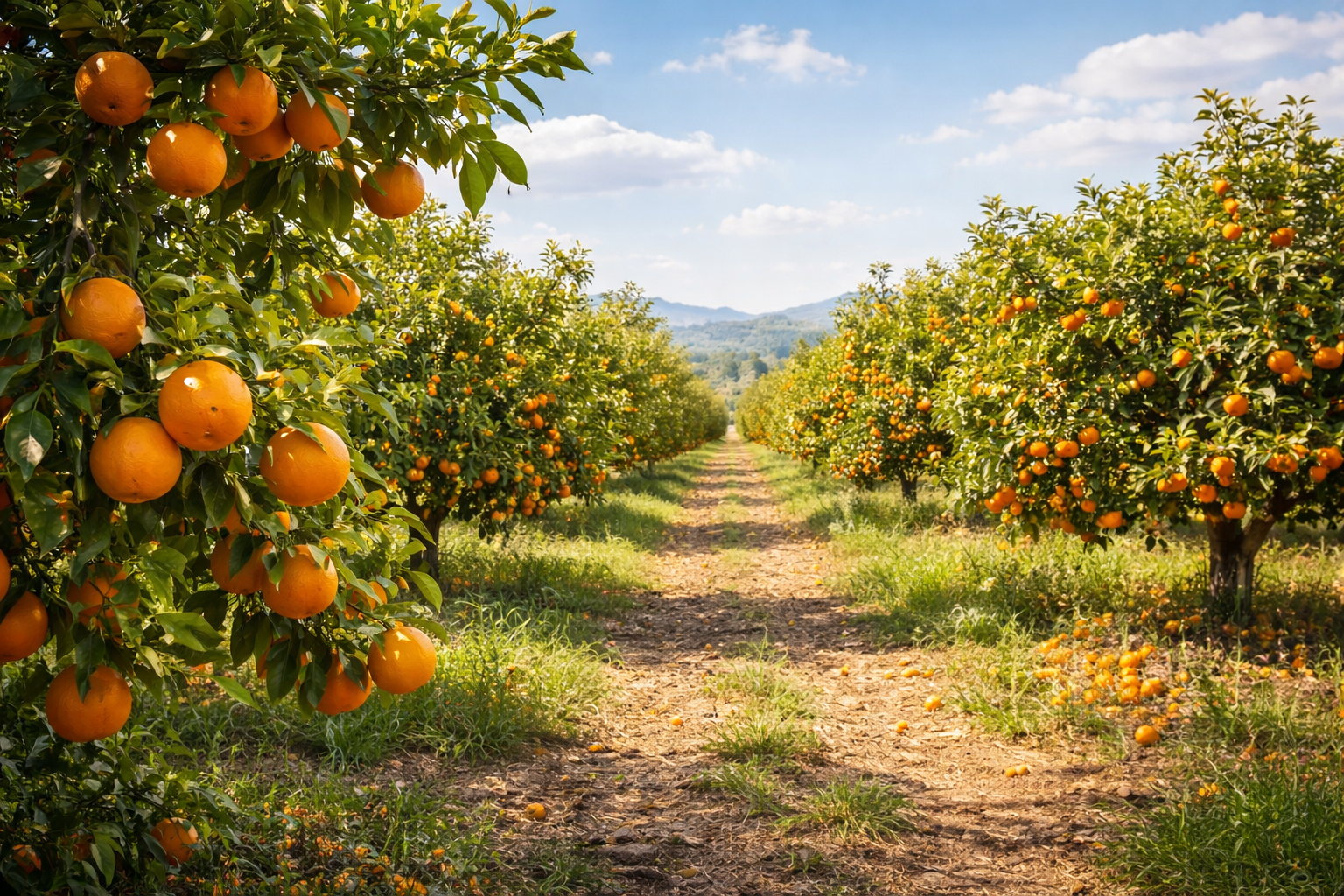
The Valencian citrus sector has set 2028 as the key date for making progress in eradicating pinyola seeds in certain citrus varieties. According to Castellón Plaza, the strategy mainly involves two lines of action: varietal conversion and the installation of netting on farms. The aim is to minimise the presence of seeds in varieties where the market demands seedless fruit, thereby improving competitiveness and commercial positioning.
Varietal conversion as a strategic tool against pinyolà
One of the fundamental measures is the gradual replacement of varieties with a higher risk of cross-pollination with others that offer better commercial guarantees. Varietal conversion involves planning, investment and adaptation on the part of the farmer, but it is proposed as a medium- and long-term structural solution. This transformation seeks to respond to market demands and avoid problems arising from the presence of seeds in varieties that must be marketed without them.
Mesh as a protective measure
Alongside conversion, netting certain plots is another tool for minimising cross-pollination. This technique acts as a physical barrier against pollinating insects and helps to maintain the commercial quality of the fruit. However, its application involves additional costs and requires technical planning to ensure its effectiveness.
The debate on the ‘pinyola’ reflects the need for coordination, information and constant adaptation in the citrus sector. The decisions taken in the coming years will be key to maintaining the competitiveness of our production and responding to market demands.
You can find more information in the news item published by Castellón Plaza.


