
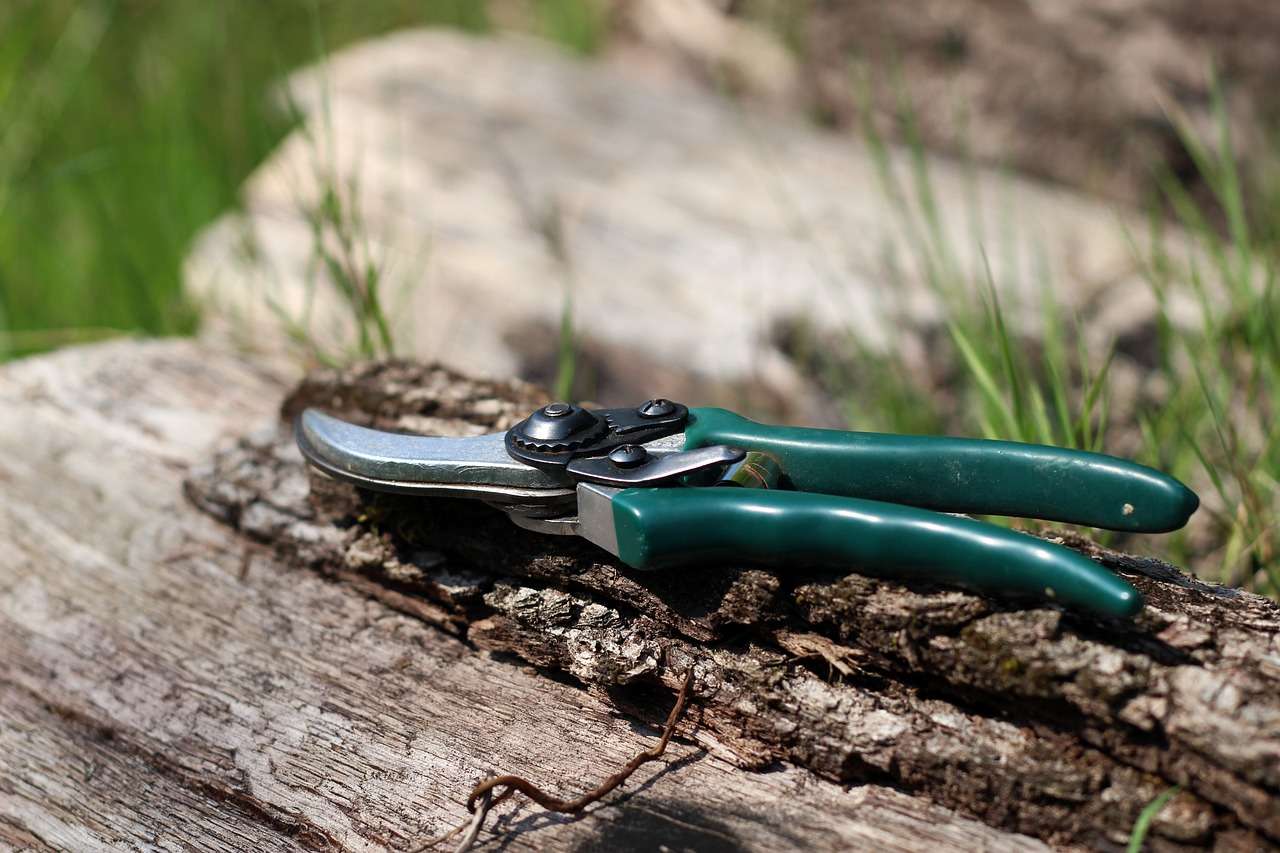
With the arrival of the first months of the year, one of the most important tasks of the agricultural calendar begins in the orange and clementine groves of the province of Castellón: pruning. This practice allows maintaining the tree's structure, regulating its production and improving both the quality and size of the fruit.
In our article ‘How to prune orange trees’., we explain in detail the techniques and appropriate times to carry out this intervention, which is essential to ensure a good citrus season.
What to do with pruning waste? Two ways to act
For decades, controlled burning of plant debris - branches, firewood and dry leaves - directly in the field has been the norm. This practice, done well, is valid and used by many farmers. However, in recent years, growing concern about the risk of forest fires has led to its use being limited, especially in areas close to forests or in periods of high dryness.
In this context, more and more farms opt for shredding pruning residues, incorporating them into the soil as organic matter.
Agronomic benefits of shredding
Beyond the reduction of fire risk, shredding has several advantages that explain its increasing adoption:
- Improves soil structure: the shredded debris is integrated into the soil, improving its water retention capacity and facilitating microbial activity.
- Fertiliser savings: the plant material provides nutrients as it decomposes.
- Waste reduction: avoiding the accumulation or transport of waste, closing the cycle within the farm itself.
It is not, therefore, a matter of competing practices, but of choosing the most appropriate option according to the conditions of the land, the regulations in force and the farmer's resources.
Pruning is a key time to make technical decisions that influence the whole season. Both the burning and shredding of plant remains are valid options, as long as they are carried out responsibly. At Cocalni we support those practices that, in addition to complying with regulations, help to keep our fields safe and make the most of their resources.


